Segmentation assisted interpolation
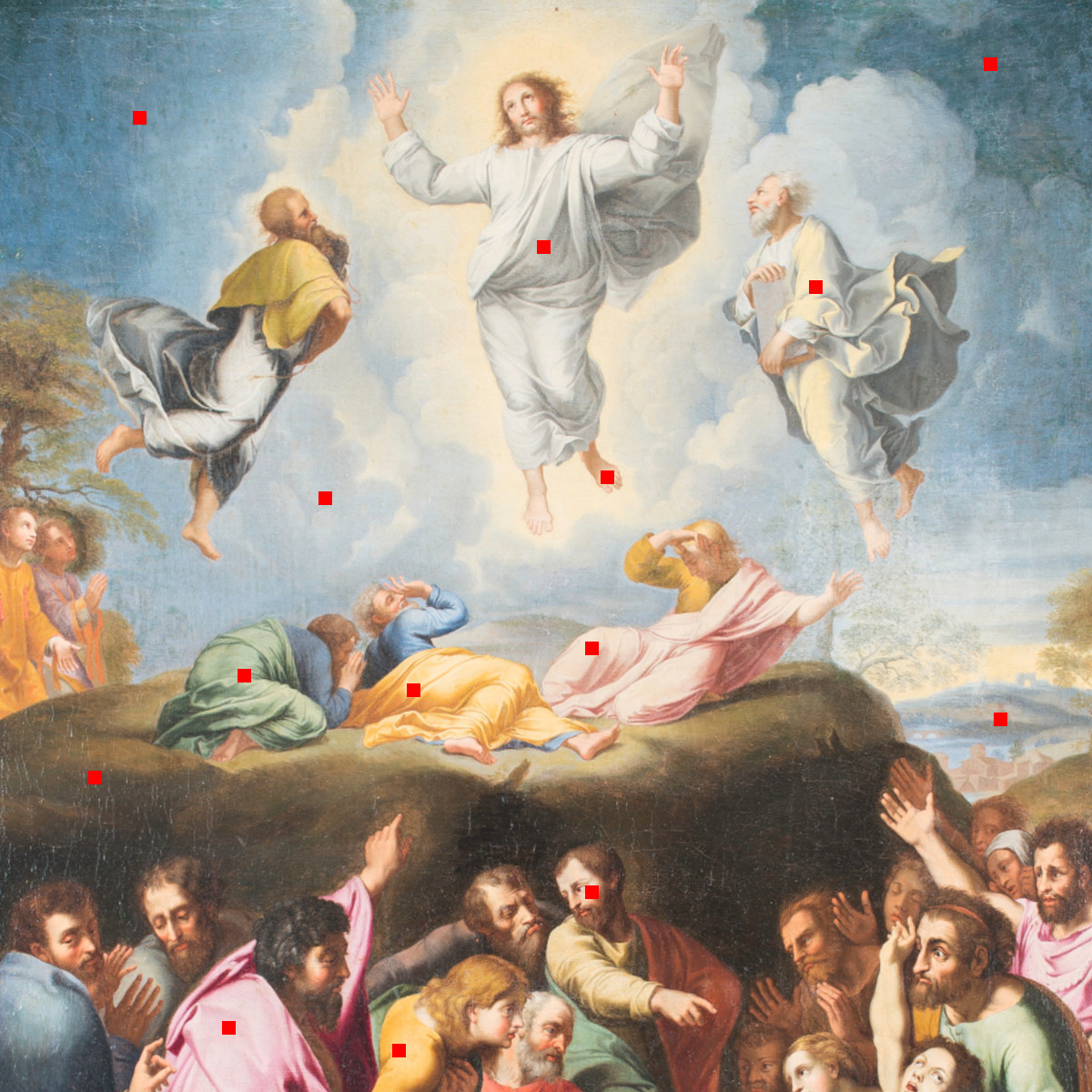
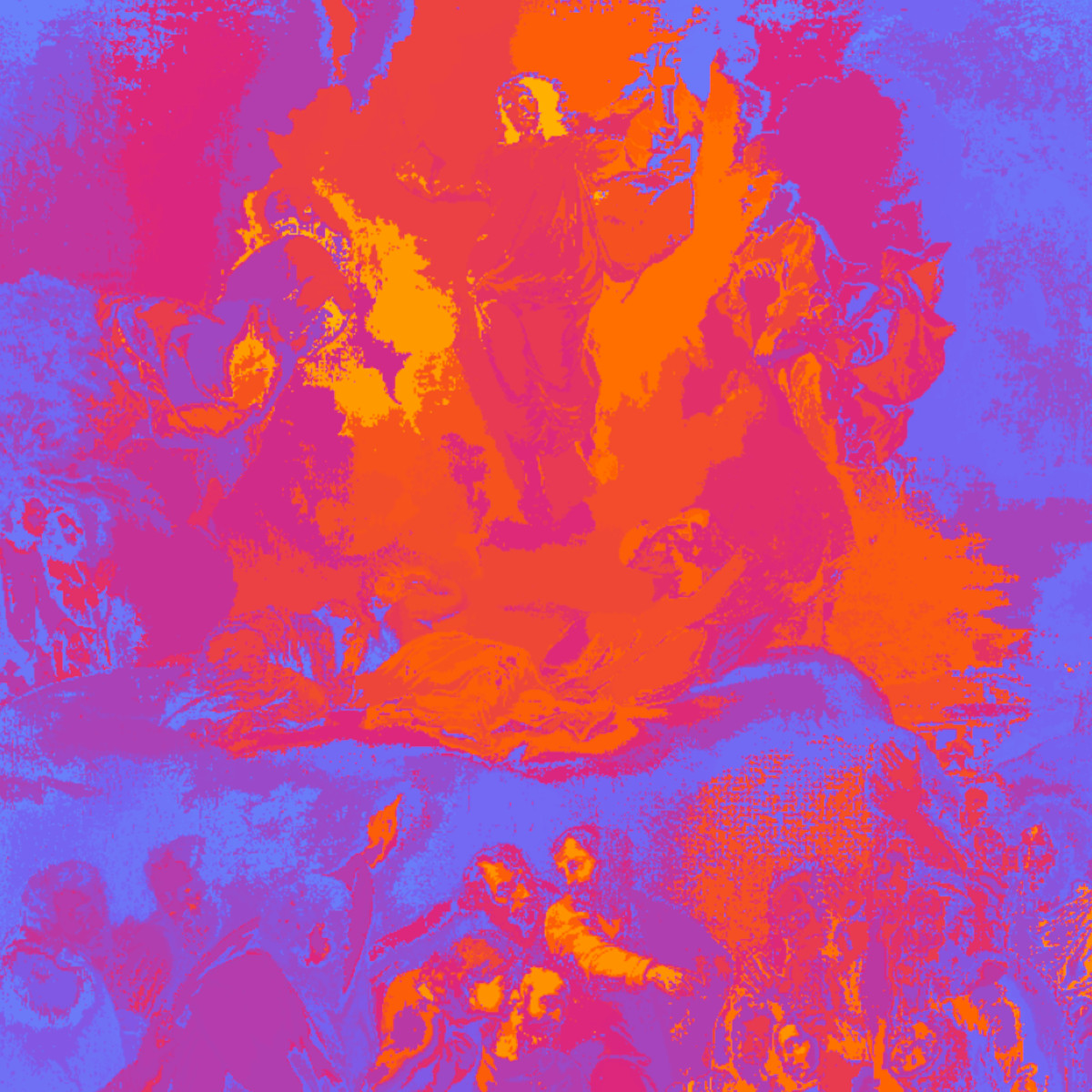
The generation of spatial distribution maps is a key technique for analyzing artworks, but it is often limited by sparse data points. This necessitates interpolation, with the commonly used Minimum Hypercube Distance (MHD) method showing significant errors—up to 100% in data-scarce regions. To overcome this, a novel segmentation-assisted interpolation method is proposed. By integrating semantic segmentation, it enhances map accuracy and interpretability, enabling the precise identification of unmeasured areas and expert-guided data replication from similar regions. This advancement provides more robust and reliable tools for the study and preservation of cultural heritage.
Fast mapping
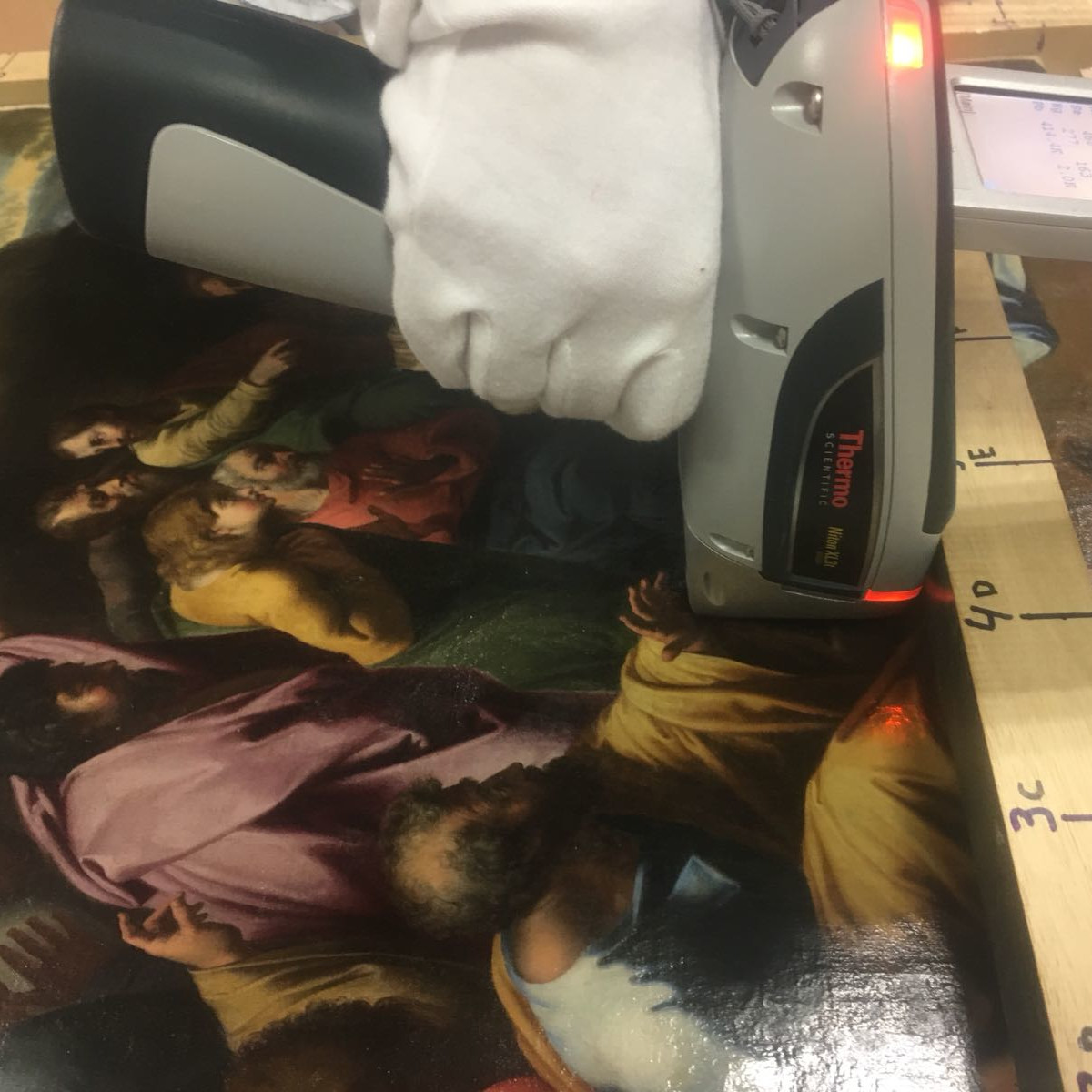
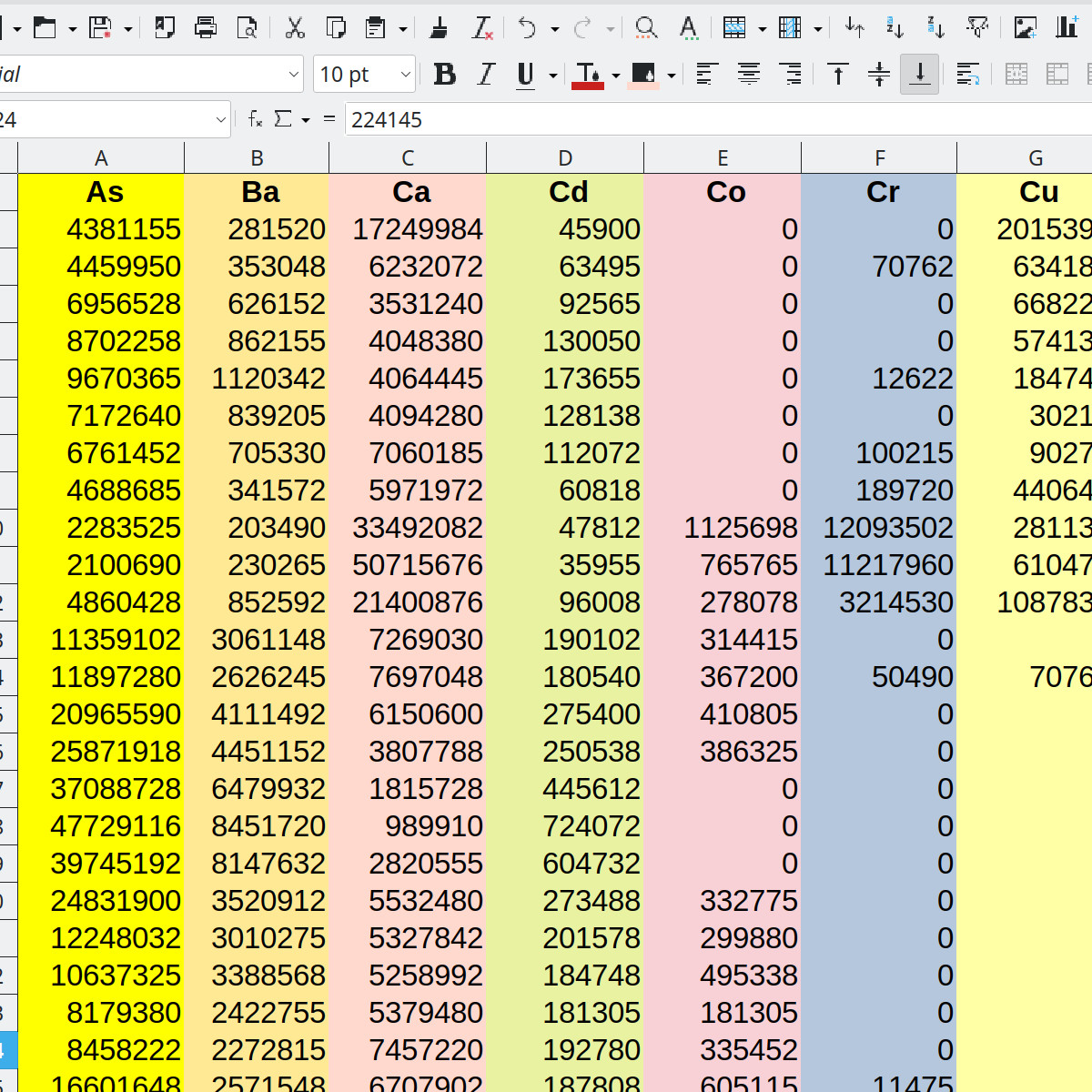
The creation of material maps using techniques like XRF, XRD, and Raman spectroscopy is essential in Cultural Heritage, yet limited data points from accessible devices require interpolation for full image analysis. This paper introduces XMapsLab, an open-source software that employs GPU-optimized interpolation methods, achieving speed improvements of one to two orders of magnitude for real-time data interaction. By integrating multiple interpolation techniques and enabling boolean and numerical map combinations, it enhances result robustness and allows intuitive hypothesis testing regarding pigment distribution, thereby supporting advanced research and preservation efforts.